See what we're building next
View the roadmapProduction:
https://login.salesforce.com/packaging/installPackage.apexp?p0=04tal000006i8eL
Sandbox:
https://test.salesforce.com/packaging/installPackage.apexp?p0=04tal000006i8eL
CRUSH
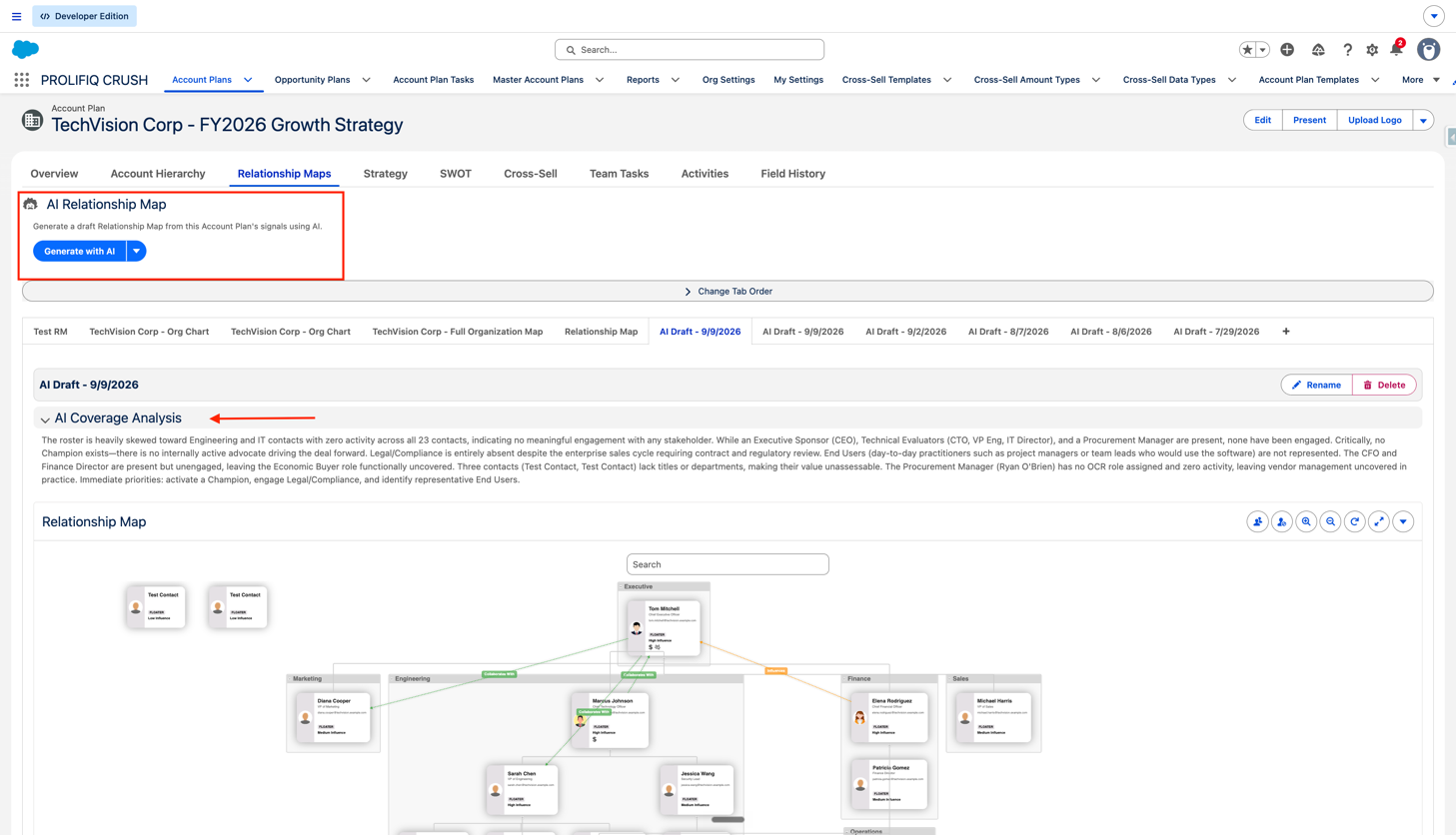
Users can now generate draft Relationship Maps from Account Plan data using AI. From an Account Plan, click Generate with AI. The system analyzes CRM signals such as contact roles, recent activities, and team structure to suggest who should be on the map, how they relate to each other, and where coverage gaps may exist. The generated map is a starting point. Users can review, edit, rename, or delete the AI draft just like any other Relationship Map in CRUSH.
How to enable: A CRUSH administrator must turn on Enable AI Map Generation in CRUSH Settings → AI, then assign the CRUSH AI User permission set. Disabled by default. Requires the AI Access entitlement.
For how AI Map Generation handles data and privacy, see the AI Relationship Map security overview.
CRUSH
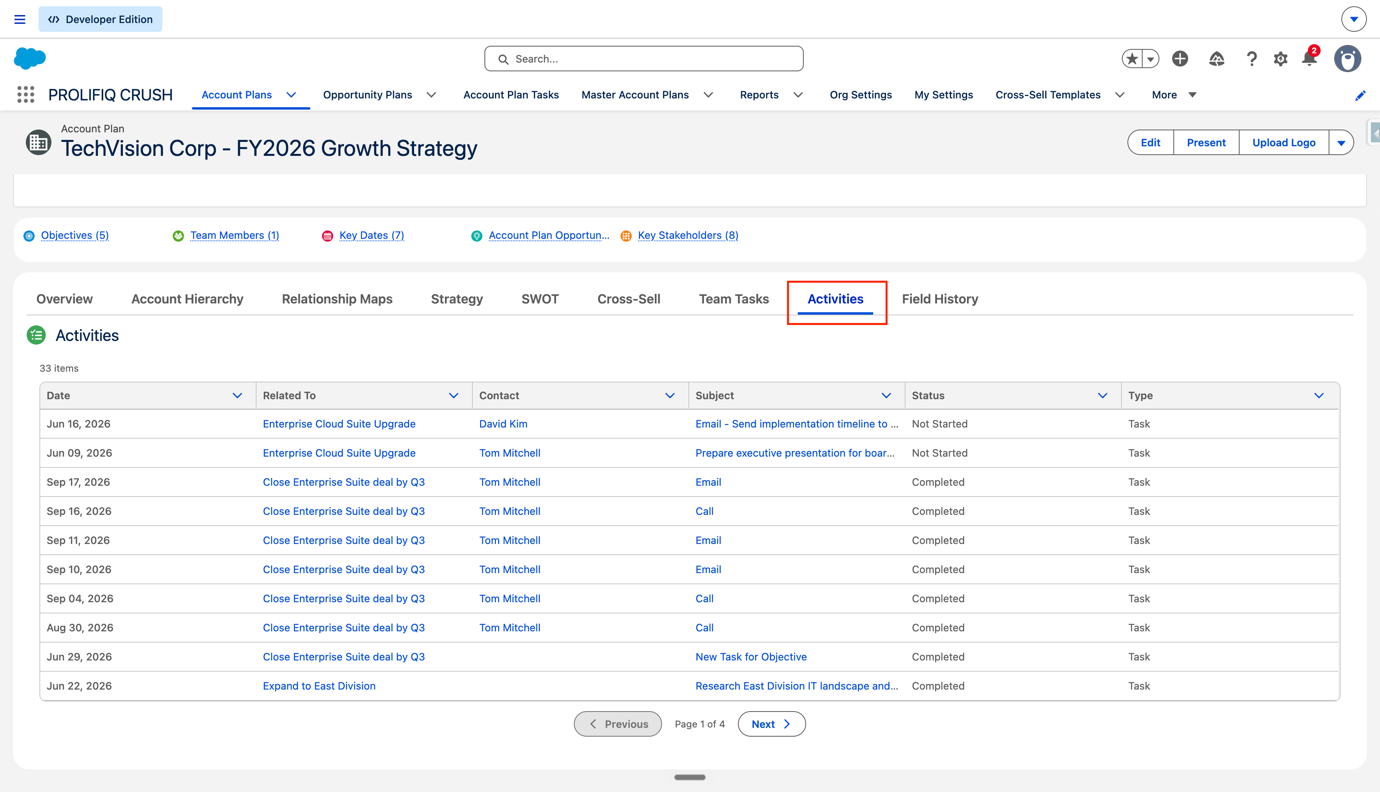
A new Activities tab on Account Plan pages brings together Tasks and Events from your plan's Objectives and related Opportunities into a single list.
How to enable: A CRUSH administrator can turn on Show Consolidated Activities on Account Plan in CRUSH Settings → General. Disabled by default.
CRUSH + RM
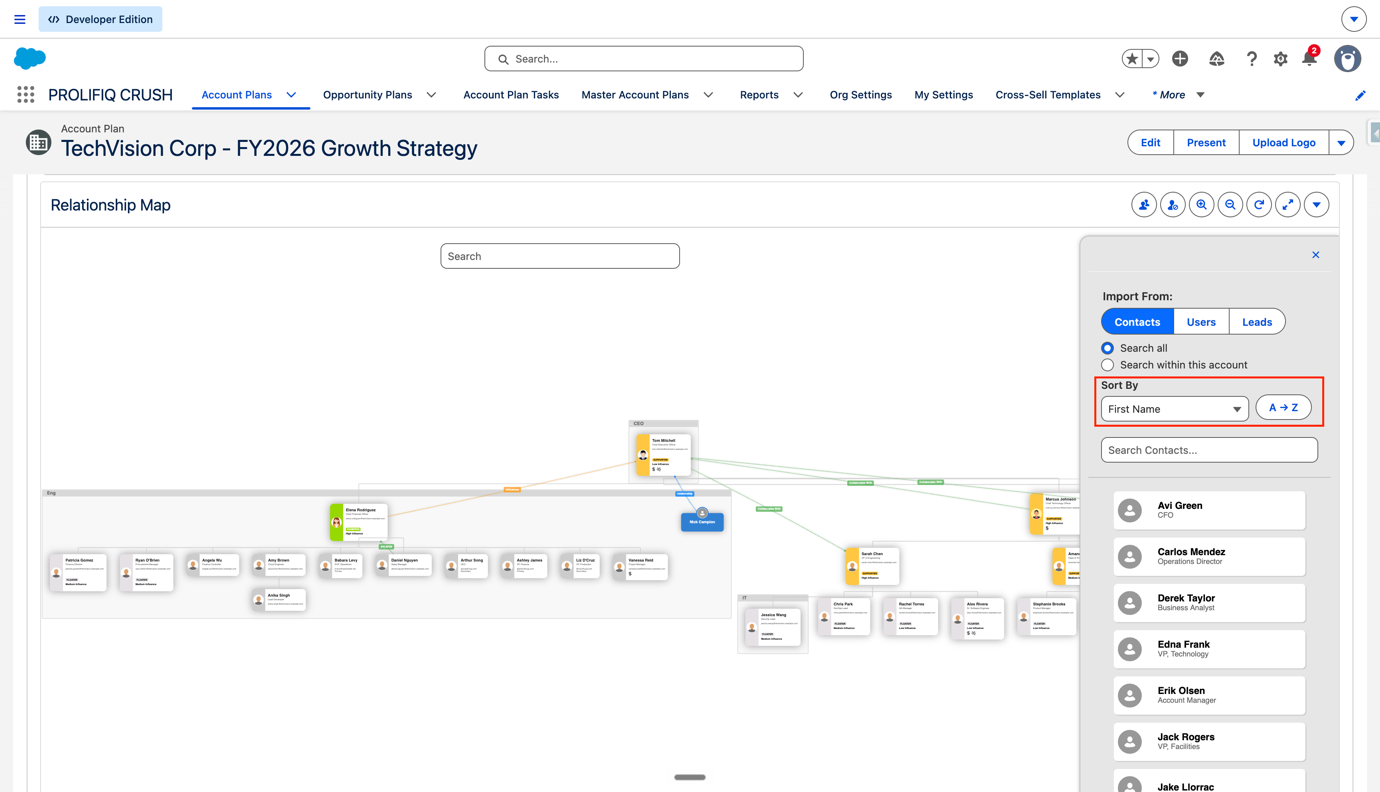
The contact import sidebar now offers a focused Sort By menu instead of the previous long list of all Contact fields: First Name, Last Name, Job Title, Date Added, Last Activity, and None. A direction toggle switches A → Z / Z → A for text fields, or Newest / Oldest for date fields. Sorting applies to the contact import sidebar in Contacts mode only and does not affect Group By or the map layout.
CRUSH + RM
Fixed an issue where the default Influence and Support Matrix was not created during package upgrades in certain scenarios. The post-install script now runs matrix creation on every install and upgrade with duplicate prevention.
CRUSH
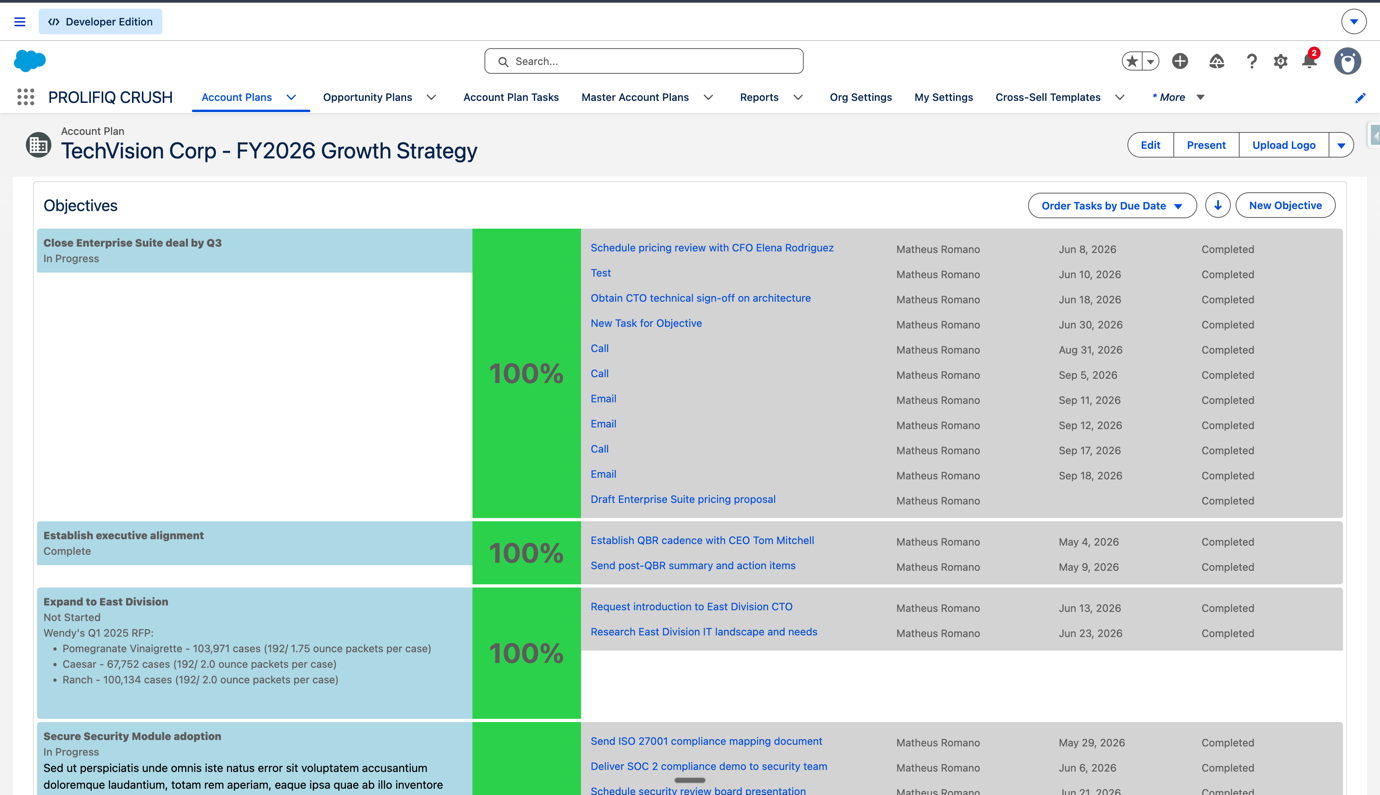
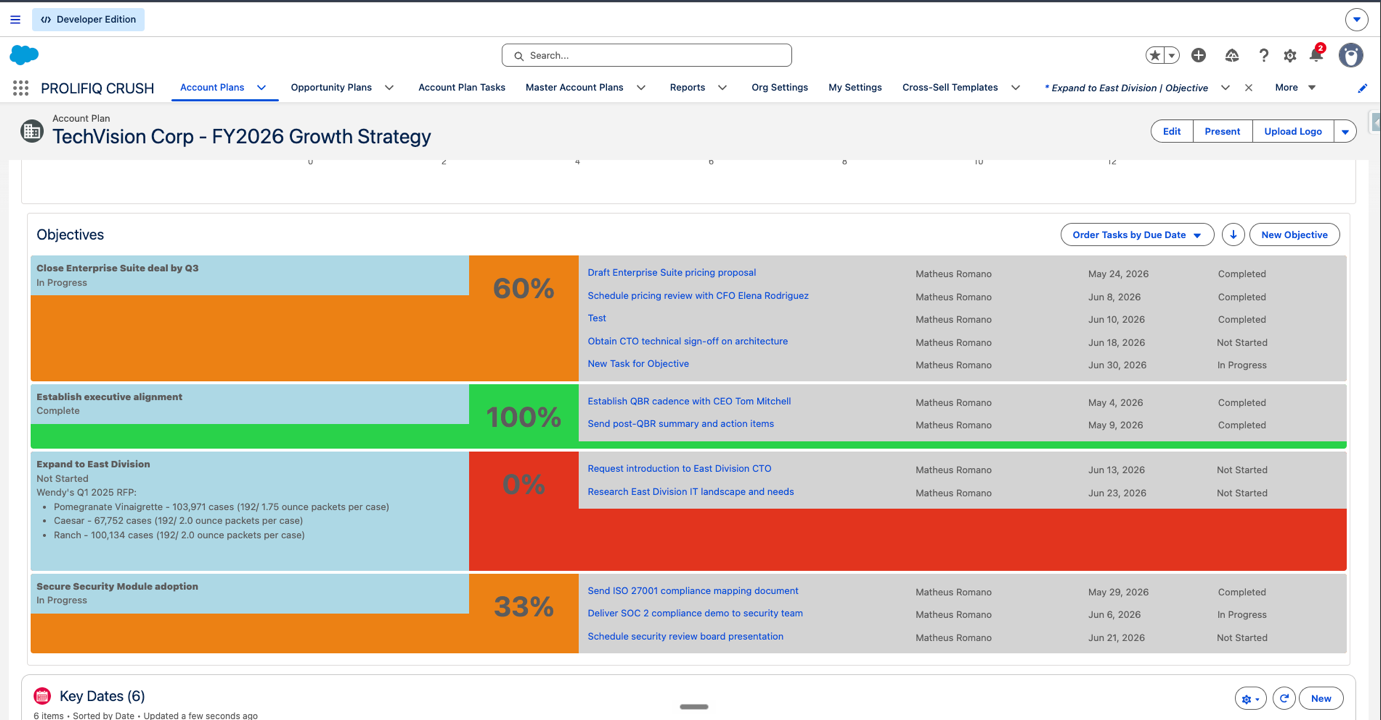
Fixed an issue where the progress color indicator bled across the entire row when objectives had long descriptions. The color now appears only in the progress percentage column. The Objective Summary chart is constrained to a reasonable height.
Before the fix:
After the fix:
CRUSH
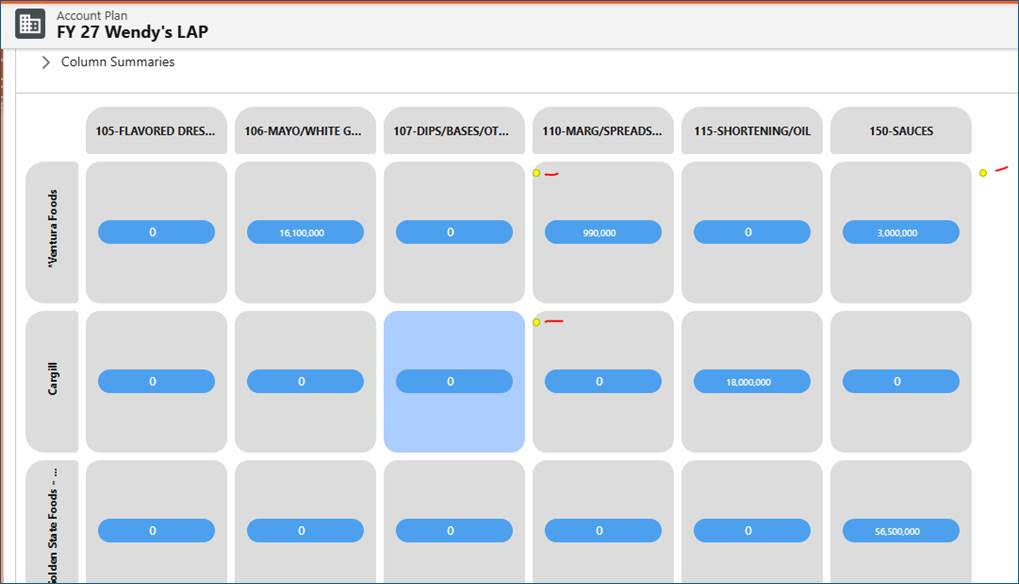
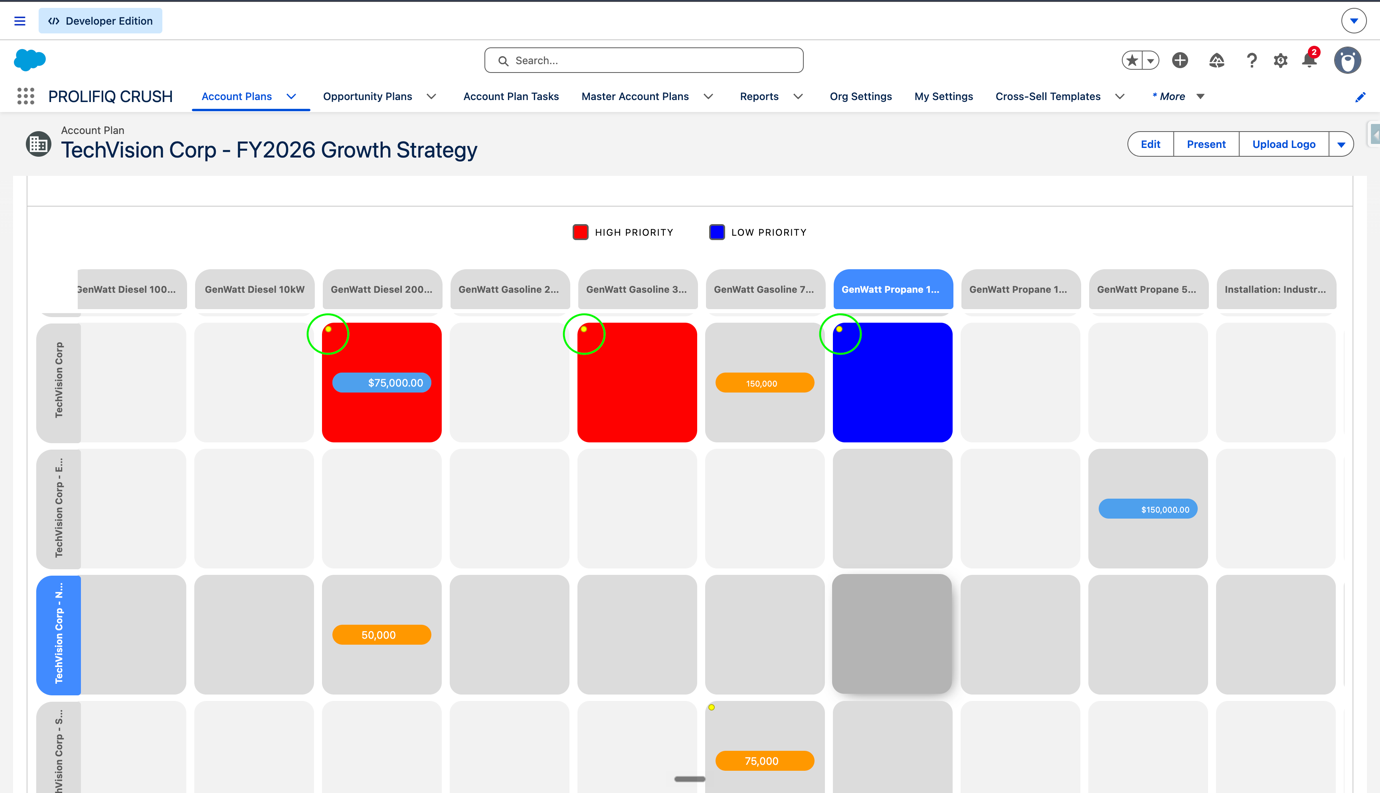
Fixed an issue where yellow dots for cells with notes were misaligned, clipped on cell borders, floating outside the matrix, or detaching during horizontal scrolling. Note indicators now stay anchored in the correct position.
Before the fix:
After the fix:
CRUSH
Fixed inflated Health Scores when using Percentage-based scoring with time decay enabled. Time decay is now applied correctly after the category threshold is reached. The Health Score component now matches the calculated score fields on the Account Plan record. Default points-based scoring is unchanged.
Clicking or tapping an Objective's name on the Account Plan now opens the Objective record on both desktop and Salesforce Mobile. Prior to this patch, the click / tap wouldn't register and users had to reach Objectives through global search or the Objective tab.
Install the 16.16 package in your org using the new install links below. No configuration or data migration is needed — this is a drop-in UI fix.
Production install link:
https://login.salesforce.com/packaging/installPackage.apexp?p0=04tal000006UX6L
Sandbox install link:
https://test.salesforce.com/packaging/installPackage.apexp?p0=04tal000006UX6L
Production install link:
https://login.salesforce.com/packaging/installPackage.apexp?p0=04tKf000000syGy
Sandbox install link:
https://test.salesforce.com/packaging/installPackage.apexp?p0=04tKf000000syGy
16.16 is a patch on top of the spring release. If you have not yet installed the spring release, install 16.16 directly — it includes everything from spring.
Questions? Reach out to support@prolifiq.com.
Use this URL to install the package into any organization:
Production:
https://login.salesforce.com/packaging/installPackage.apexp?p0=04tal000006UUbV
Sandbox:
https://test.salesforce.com/packaging/installPackage.apexp?p0=04tal000006UUbV
Use this URL to install the package into any organization:
Production:
https://login.salesforce.com/packaging/installPackage.apexp?p0=04tKf000000sy9x
Sandbox:
https://test.salesforce.com/packaging/installPackage.apexp?p0=04tKf000000sy9x
Enhanced User Experience: These fixes and improvements unblock users from completing core workflows, ensure seamless PDF exports, stabilize Relationship Maps, and enhance mobile usability, resulting in a more efficient and reliable user experience.
This release focuses on addressing critical issues, enhancing functionalities, and improving overall system performance to provide a more seamless and productive user experience. Users can now work without interruptions, export polished documents, access key data on mobile devices, and rely on accurate org charts and documents for their daily tasks.
We have included a comprehensive step-by-step guide to assist System Administrators and users with the installation and upgrading process of the managed package. This guide ensures a smooth transition and helps users make the most out of the new features and improvements.
Prerequisites: Users must have a System Administrator profile in the target org. It is recommended to have a Sandbox available for testing before implementing changes in the production environment.
Install New Package: Use the link provided which automatically opens the install wizard. Currently not live on the AppExchange.
Test in the Sandbox: It is strongly recommended to test the package in a Sandbox environment before upgrading in production. Users can run all business case tests in the sandbox to validate workflows and integrations.
Upgrade Production: Once testing is successful in the sandbox, users can proceed to upgrade the package in the production environment following the outlined steps.
Low Risk: Existing licenses and permissions carry over automatically after the upgrade.
Medium Risk: New package components may impact existing automations, flows, and integrations. Validation in a sandbox is recommended.
High Risk: Downgrading to a previous version requires a full uninstall and reinstall, erasing all associated data. Pre-production testing is crucial to avoid disruptions.
By following the provided guidelines and best practices, users can ensure a seamless upgrade process and leverage the new features introduced in this release. For detailed instructions and further information, refer to the updated step-by-step guide.
Remember, proper testing and validation in a Sandbox environment are key to a successful upgrade to the production org. Stay informed, stay updated, and make the most out of our enhanced managed package!

Added ability for Standard User to access Opportunity Plans in the CRUSH app, enhancing visibility and access to critical information.
Users can now generate draft Relationship Maps from Account Plan data using AI. From an Account Plan, click Generate with AI. The system analyzes CRM signals such as contact roles, recent activities, and team structure to suggest who should be on the map, how they relate to each other, and where coverage gaps may exist.
The generated map is a starting point. Users can review, edit, rename, or delete the AI draft just like any other Relationship Map in CRUSH.
How to enable: CRUSH Settings, AI tab, Enable AI Map Generation, then assign the CRUSH AI User permission set. Disabled by default. Requires the AI Access entitlement.
Read the AI Relationship Map security and data privacy overview for what is sent to the AI service and what never leaves Salesforce.
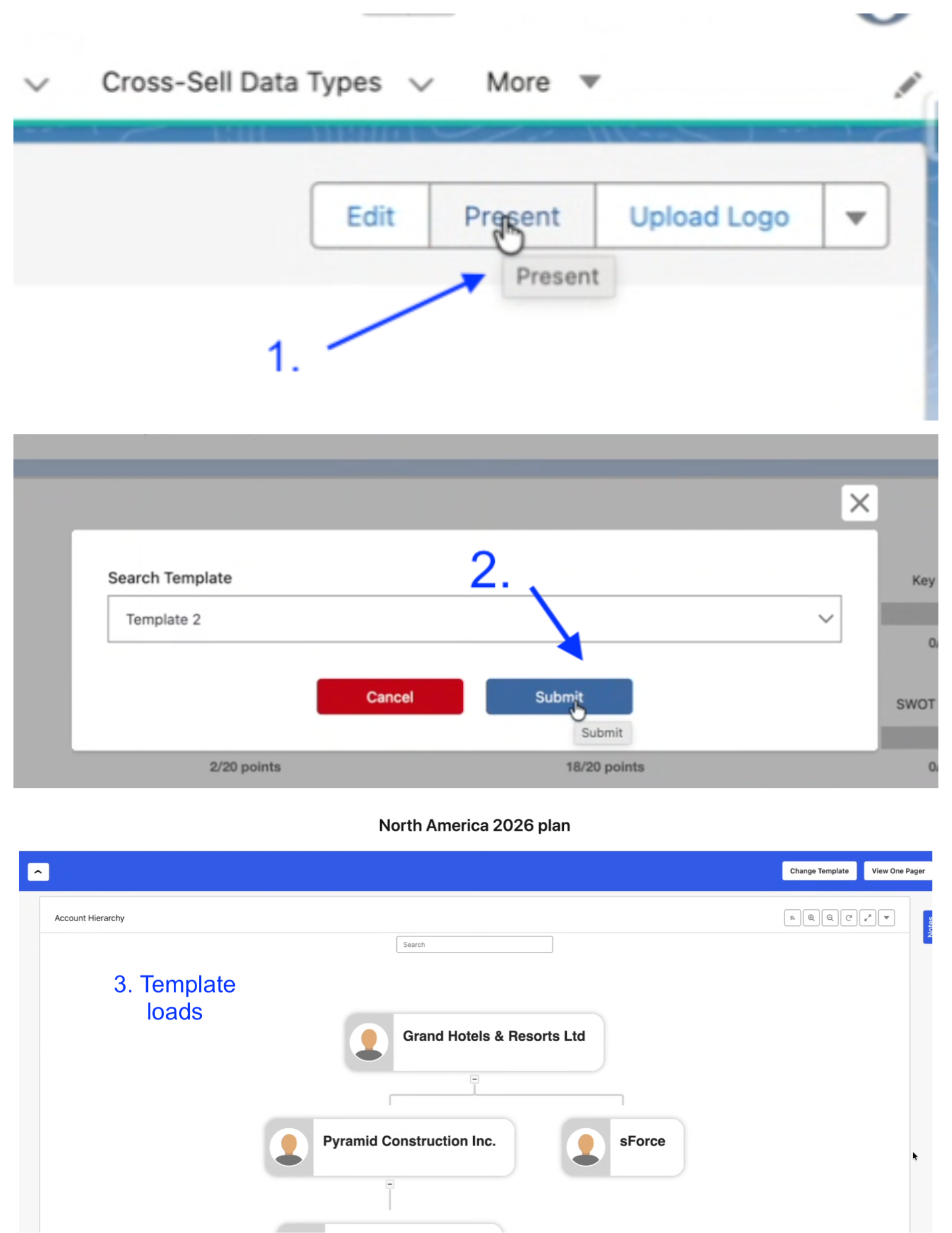
Fixed issues where templates failed to load correctly, ensuring consistent functionality and a smoother user experience when starting presentations.
A new Activities tab on Account Plan pages brings together Tasks and Events from your plan's Objectives and related Opportunities into a single list.
How to enable: CRUSH Settings, General tab, Show Consolidated Activities on Account Plan. Disabled by default.
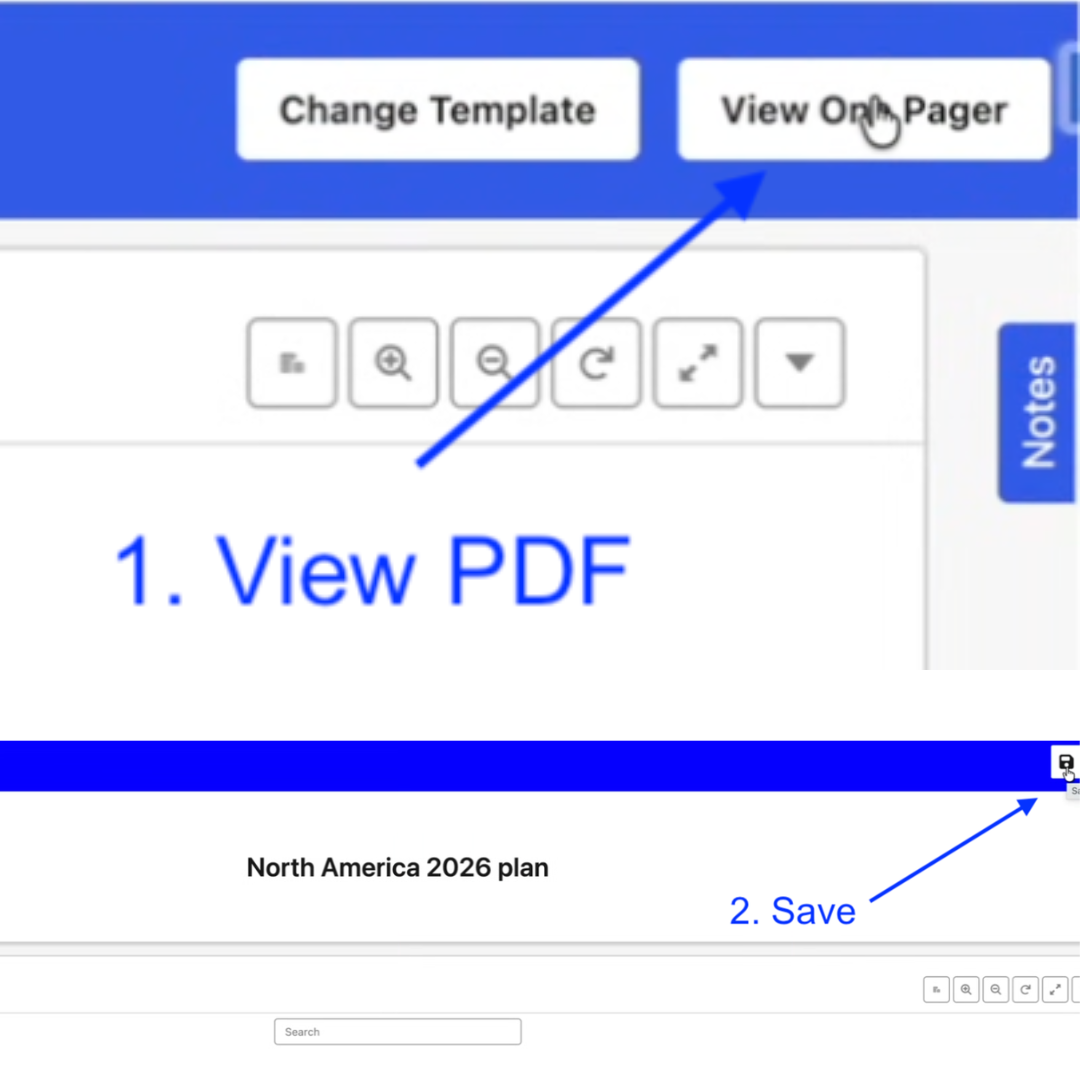
Resolved unresponsive download buttons on PDF-generated pages, allowing users to save and download documents effortlessly.
The contact import sidebar on Relationship Maps now offers a focused Sort By menu instead of the previous long list of all Contact fields.
A direction toggle appears next to the dropdown. Sorting applies to the contact import sidebar in Contacts mode only.
Addressed failures during the PDF download process in Present Mode, ensuring users can successfully share or archive their presentation documents without any issues.
Fixed an issue where the default Influence and Support Matrix was not created during package upgrades in certain scenarios. The post-install script now runs matrix creation on every install and upgrade with duplicate prevention.
.png)
Improved PDF export to ensure documents are formatted optimally for live presentations, enhancing usability and professionalism in client-facing scenarios.
Fixed an issue on the Strategic Objectives tab where the progress color indicator bled across the entire row when objectives had long descriptions. The color now appears only in the progress percentage column. The Objective Summary chart is also constrained to a reasonable height.
.png)
Corrected display and interaction problems with Objective Table and Summary components on mobile devices, enabling field sales reps to access and update key account planning data seamlessly while on the go.
Fixed an issue where yellow dots indicating cells with notes in the White Space matrix were misaligned, appearing clipped on cell borders, floating outside the matrix, or detaching during horizontal scrolling. Note indicators now stay anchored in the correct position.
Clicking or tapping an Objective's name on the Account Plan now opens the Objective record on both desktop and Salesforce Mobile. Prior to this patch, the click / tap wouldn't register and users had to reach Objectives through global search or the Objective tab.
Fixed an issue where Account Plan Health Scores could display inflated values when using Percentage-based scoring with time decay enabled. Time decay is now applied correctly after the category threshold is reached. The Health Score component now matches the calculated score fields on the Account Plan record. Default points-based scoring is unchanged.